This section addresses a current work in progress, or perhaps a leap of faith into the deep end of the gene pool. Specifically, the ability to write narrative stories about the interactions of ents and cells as they proceed in their evolution.
First of all, there are additional anthropic attributes that ents and cells both have to give them more human-like characteristics:
Book
Personality Attributes
Each ent and cell has a randomly assigned tarot card with upright or reversed orientation. This serves as an archetype that assigns symbolic life themes to an object’s core life path, spiritual lessons, and unconscious motivations.
Additionally both ent and cell objects have an assigned Myers-Briggs Type Indicator. An MBTI type indicates an individual’s general preferences for directing attention, taking in information, making decisions, and organizing their approach to life.
For example, the first primary ent – shown as the red queen in the videos above – has an ID of 00 and a derived four-character name of Sahu. The name of the first cell that Sahu resides in is named Deyo.
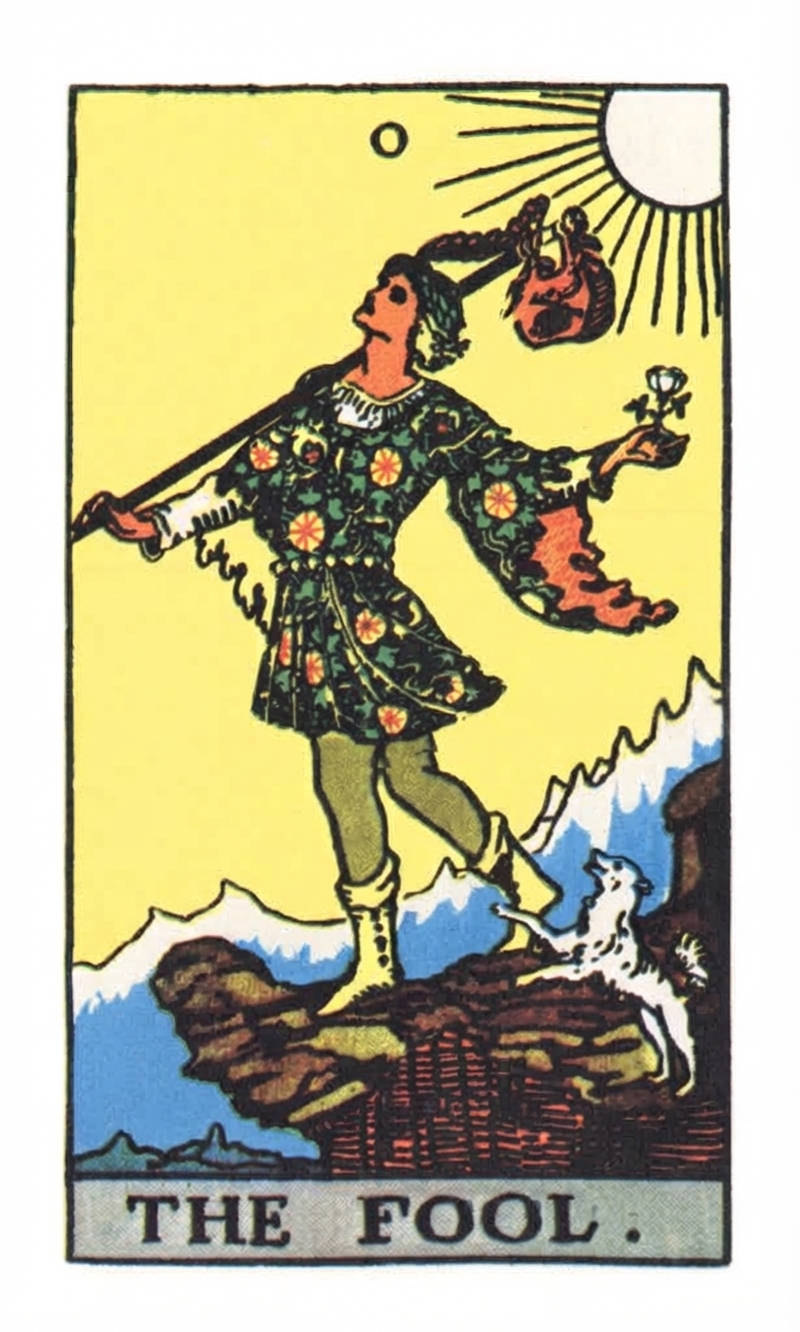
The Fool card in upright orientation represents: New beginnings, innocence, spontaneity, a leap of faith. Starting a journey with trust and optimism.
An MBTI type of ISTJ represents: Traditionalist & duty-fulfiller – hard worker who values their responsibilities and commitments
Other Story Elements
Some additional details set the scene for a story:
Glider Gun
Thematic Plots
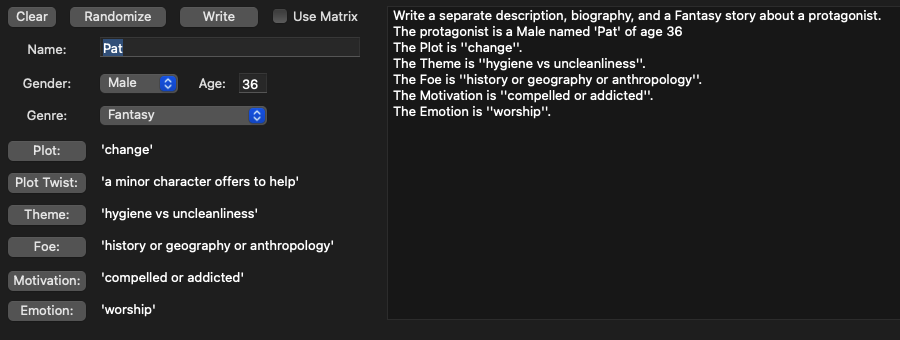
OLife depends on a separate program to set the scene for the narrative called ABS Story. ABS was a – possibly now defunct – system for construction of solo-player Dungeons and Dragons scenarios.
Pentadecathlon
Putting it Together
So above we have all of the appropriate elements of a story: A cast of characters, their life motivations and personality traits, an orchestration of which individuals move where and when. What happens to individuals in every generation, and a plot with various details.
What happens when you put this together? Not a particularly enjoyable piece of literature.
OLife prepares the AI with a very lengthy and detailed description of all the technical details and terminology to be used. It tells the AI what needs to happen to produce a narrative story, what it can write, where it has freedom, and what words it should never use, such as ent and cell.
The primary disconnect is that the orchestrated movement and activity of individuals based on Life is a rapidly expanding story of many individuals, however taking the time to write a meaningful detailed narrative is not.
As noted above this is a work in progress. The emergence of AI models such as ChatGPT has greatly accelerated the rate at which the code of OLife can now be maintained and extended. Perhaps a solution will someday arise to better help with the goal of writing good literature.
Previous: Cell Terrain Next: ABS Story Example